Guide
How long do dental implants last?
Dental implants are designed to be long-term, but how long they last depends on your bite, your oral health, and the care you get after surgery. Learn what “lasting” usually means and how to plan with Clarity Implants’ free matching support.
The honest answer: implants can last many years
Dental implants are metal posts (usually titanium) placed in the jawbone. Over time, they can fuse with the bone in a process called osseointegration. When the implant and the crown (the tooth part you see) are well-matched to your situation, many people can expect long service life.
That said, “how long they last” is not the same for everyone. The implant can last a long time, but the replacement tooth (the crown) and other parts may need repair or replacement sooner. Your habits, cleaning, gum health, and how your teeth meet when you bite all play a role.
Clarity Implants is a free matching + information service in the US. We help you understand typical timelines and find implant providers who can explain options clearly (including in your language). We are not a dental provider and we do not give medical advice.
What usually lasts longest: the implant vs. the tooth you see
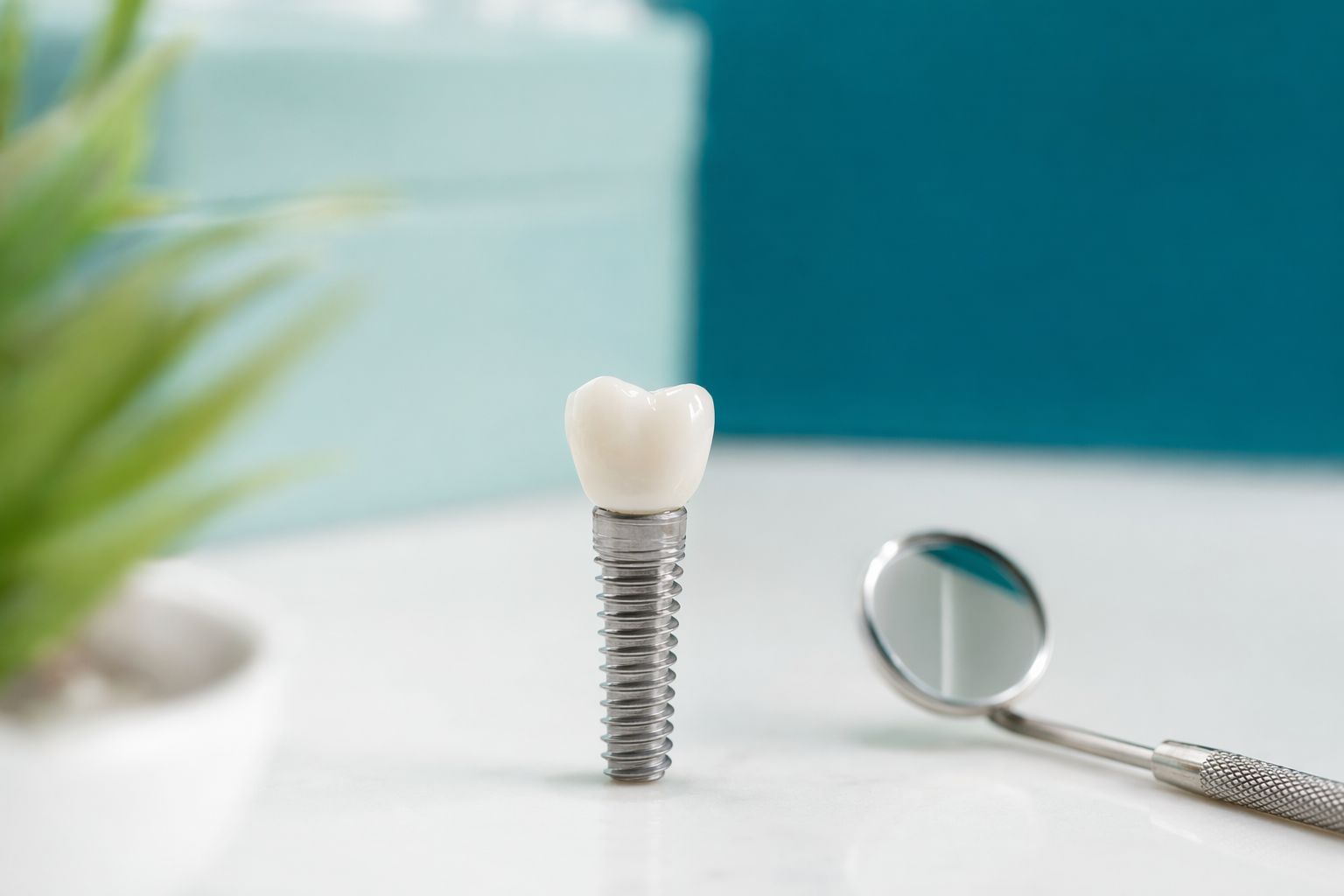
A dental implant system has parts. The implant is placed into the bone. The crown is what looks like a natural tooth. Between them is a connector called an abutment.
In general, the implant itself is built to be stable in the jaw. The crown is also durable, but it can wear over time like natural teeth and can also be affected by bite forces and daily use.
Many people think of implant longevity as “the implant stays,” while being realistic that the visible tooth may need maintenance, polishing, repair, or occasional replacement. Your provider can explain what is typical for your specific plan.
Common factors that affect implant longevity
Several factors can influence how long dental implants and the final tooth replacement last:
- Your oral hygiene and follow-up visits. Keeping gums healthy helps protect the bone around the implant.
- Gum disease history and current gum health. Healthy gums are important for long-term success.
- How you bite. If the bite is uneven, extra stress can loosen or damage the crown or the parts connecting it.
- Smoking or tobacco use. These can affect gum healing and long-term gum health.
- How well the implant was planned for your jaw and bone. Sometimes additional steps are needed if the bone is limited.
Also, some people have habits like clenching or grinding (bruxism). In those cases, a provider may recommend a protective device to reduce force on the implant system.
How long the whole process takes (and why that matters)
Longevity starts before you ever get the finished tooth. The timeline depends on the treatment steps.
For many implant cases, there is a healing period after the implant is placed. During osseointegration, the implant fuses with the jawbone. This waiting time helps the implant become stable.
Some people need extra steps such as a bone graft if the bone volume is not enough. Bone grafts add time to the overall process. The total timeline is also influenced by whether it’s a single tooth, a multi-tooth bridge, or a full-arch plan.
If you’re comparing options, ask the provider to explain the expected schedule for your plan and what each step is meant to achieve.
Cost planning: longevity is tied to maintenance and the type of restoration
Dental implants are often chosen for long-term tooth replacement, but cost can vary widely based on the case and the parts included. It’s smart to plan for both the initial treatment and future maintenance.
Typical US estimates (varies a lot by city/state, provider, and case): a single implant all-in is roughly $1,500–$6,000. Implant bridges (several teeth) can be roughly $3,000–$15,000. Full-arch plans like “All-on-4” can be roughly $20,000–$50,000 per jaw. Extra steps such as a bone graft can add cost and time.
For a clearer view of what you might pay, review implant costs and what’s included and then use Clarity Implants’ matching service to connect with providers who can explain options in your language. Your exact price will depend on your situation and the provider’s plan—these are planning ranges, not quotes.
How to choose a provider who will explain longevity clearly
Choosing the right implant provider matters because longevity depends on planning and follow-through. You can take your time and get second opinions—this is a big decision.
When you meet a provider, consider asking questions about:
- Their approach to planning for your bite and jawbone (so the parts fit correctly)
- What maintenance they recommend after treatment
- What types of repairs or replacements are most common over time (for example, crown maintenance)
- How they handle additional steps like bone grafting if needed
- Whether they can explain the plan in your preferred language
Helpful guide: How to choose an implant provider. And you can explore more learning resources in dental implant guides.
Dental implants are built to last many years, but the implant and the visible tooth parts can age differently—your bite, gum health, and follow-up care decide the real long-term outcome.
Questions people ask
Do dental implants ever need to be replaced?
The implant post is designed to be long-lasting, but the visible crown or connecting parts can sometimes need repair or replacement as years pass. The exact timeline varies by your bite, cleaning habits, gum health, and the type of restoration.
How long do dental implants last in the US?
In many cases, implants can last for many years and sometimes decades, especially with good oral hygiene and regular follow-up care. However, there is no single guaranteed timeline because each person’s mouth and treatment plan are different.
What’s the difference between “implant longevity” and “crown longevity”?
The implant is the metal post inside the jawbone. The crown is the tooth you see. Both are important, but the crown can wear or be affected by bite forces and may need maintenance sooner than the implant.
Does insurance or Medicaid affect how long implants last?
Insurance and Medicaid can affect which type of materials and plan a person can choose, but longevity also depends on the fit of the system, ongoing care, and gum health. Coverage rules vary by state and plan.
How can I plan for long-term cost, not just the upfront price?
Ask your provider what maintenance is recommended after treatment and what repairs or replacements are commonly expected over time. Reviewing [implant costs and what’s included](/guides/costs/) can also help you understand typical cost ranges and extra steps that may change the total.
Keep reading
How Much Do Dental Implants Cost?
How Much Do Dental Implants Cost? — clear, honest information for people comparing dental implan
Read moreGuideHow to Pay for Dental Implants (Financing)
How to Pay for Dental Implants (Financing) — clear, honest information for people comparing dent
Read moreGuideDoes Insurance Cover Dental Implants?
Does Insurance Cover Dental Implants? — clear, honest information for people comparing dental im
Read moreNot sure where to start? We'll help — free.
Tell us your city and what you're looking for. We'll match you with vetted implant providers near you. No medical records, no pressure, and always free for patients.