Guide
Single vs multiple implants
If you are missing one tooth or several, the choice between single and multiple implants can feel confusing. This guide explains the difference in plain language, including typical costs, timing, and how to compare providers.
What is the difference?
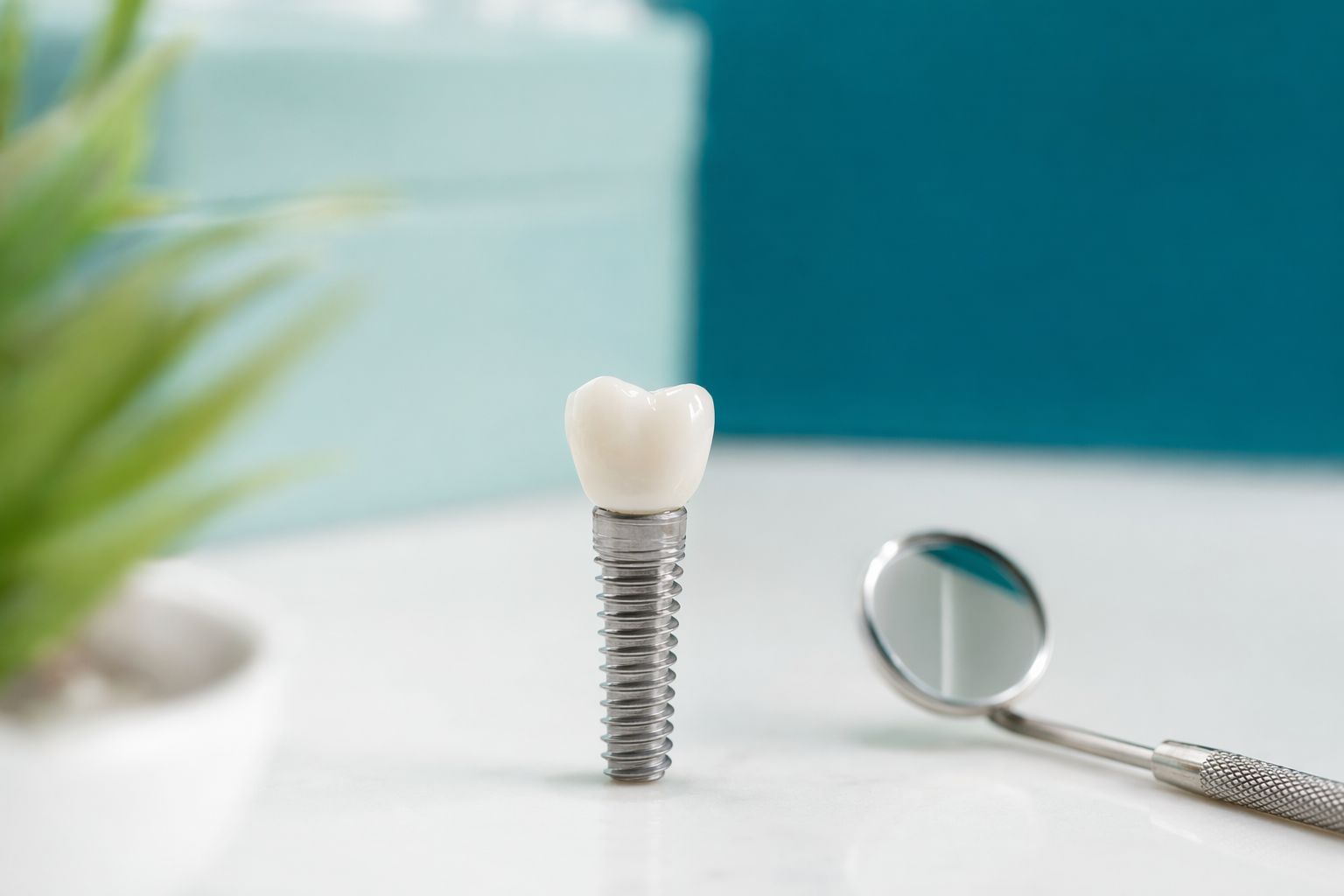
A single dental implant is used to replace one missing tooth. In simple terms, it usually includes a small post placed in the jaw, a connector piece called an abutment, and a crown, which is the visible tooth-shaped part.
Multiple implants are used when you are missing several teeth. Sometimes each missing tooth gets its own implant. In other cases, a few implants support a bridge, which is a row of replacement teeth connected together. This can be a good way to replace more than one tooth without putting an implant under every tooth.
The right option depends on how many teeth are missing, where they are, and what the provider thinks will work best for your mouth and budget. It is normal to ask for a second opinion.
How the cost usually compares
For planning, a single implant is often in the typical US range of about $1,500 to $6,000 all-in. That estimate can change a lot based on the city, the provider, and whether extra steps are needed, such as a bone graft, which adds bone to help support the implant.
For several teeth, costs are usually higher overall. An implant bridge or multiple implants often falls in a typical range of about $3,000 to $15,000, depending on how many teeth are being replaced and what parts are included. A full arch solution, such as All-on-4, is a different category and is usually much more expensive.
These are estimates, not quotes. Prices vary by state, and insurance or Medicaid coverage can also vary a lot. If cost is a major concern, ask each provider for a written estimate that lists what is included.
How treatment time can differ
A single implant often takes several steps over time. After the implant is placed, the bone needs time to heal and join with it. This healing process is called osseointegration, which means the implant fuses with the bone. That may take a few months.
Multiple implants can take longer if there are more surgical steps, or if extra preparation is needed. But not every case is slower. Sometimes replacing several teeth with a bridge on fewer implants can reduce the number of implants placed and simplify the plan.
Your total timeline depends on healing, the condition of the jawbone, and whether any teeth need to be removed first. A provider should explain the steps in a clear way before you decide.
What to ask when comparing providers
Because implant treatment can be a big expense, it helps to compare more than just the headline price. Ask what is included, what may cost extra, and whether the plan is for a single implant, multiple implants, or a bridge supported by implants.
It can also help to ask how many visits are expected, whether the provider works with people who speak your language, and how follow-up care is handled. Clear communication matters a lot when you are making a long-term decision.
If you want help finding options, Clarity Implants is a free matching service, not a dental provider. We help people in the US connect with implant providers and find information in a way that is easier to understand.
When to look at other implant guides
If you are still early in your research, it can help to start with broader guides on implant basics and cost. The pages in our guides and costs sections explain common terms and typical pricing in more detail.
If you are comparing offices, our guide on choosing an implant provider may also be useful. It can help you think through questions to ask before you move forward.
It is normal to take time, compare options, and get a second opinion. Dental implants are a major decision, and you deserve clear, respectful information.
One implant usually replaces one tooth, while multiple implants or an implant bridge can replace several teeth, and the total cost and timeline depend on your case and where you live.
Questions people ask
Is a single implant always cheaper than multiple implants?
Usually yes, but not always on a per-tooth basis. A multiple-tooth plan may sometimes use fewer implants and lower the total cost compared with placing one implant for every missing tooth.
Do multiple implants take longer than one implant?
Often they do, but not in every case. The timeline depends on how many teeth are involved, whether any bone grafting is needed, and how your jaw heals over time.
Can I get implants if I am missing several teeth on the same side?
Many people can, but the exact plan depends on the spacing and the condition of the bone. A provider can explain whether separate implants or an implant-supported bridge makes more sense.
Does Clarity Implants provide the treatment?
No. Clarity Implants is a free matching service, not a dental provider. We help people find implant providers and understand the basics in plain language.
Keep reading
How Much Do Dental Implants Cost?
How Much Do Dental Implants Cost? — clear, honest information for people comparing dental implan
Read moreGuideHow to Pay for Dental Implants (Financing)
How to Pay for Dental Implants (Financing) — clear, honest information for people comparing dent
Read moreGuideDoes Insurance Cover Dental Implants?
Does Insurance Cover Dental Implants? — clear, honest information for people comparing dental im
Read moreNot sure where to start? We'll help — free.
Tell us your city and what you're looking for. We'll match you with vetted implant providers near you. No medical records, no pressure, and always free for patients.