Guide
Titanium vs zirconia implants
Titanium and zirconia are the two main materials used for dental implants. Both can work well, and the best choice depends on your mouth, your budget, and your provider’s recommendation.
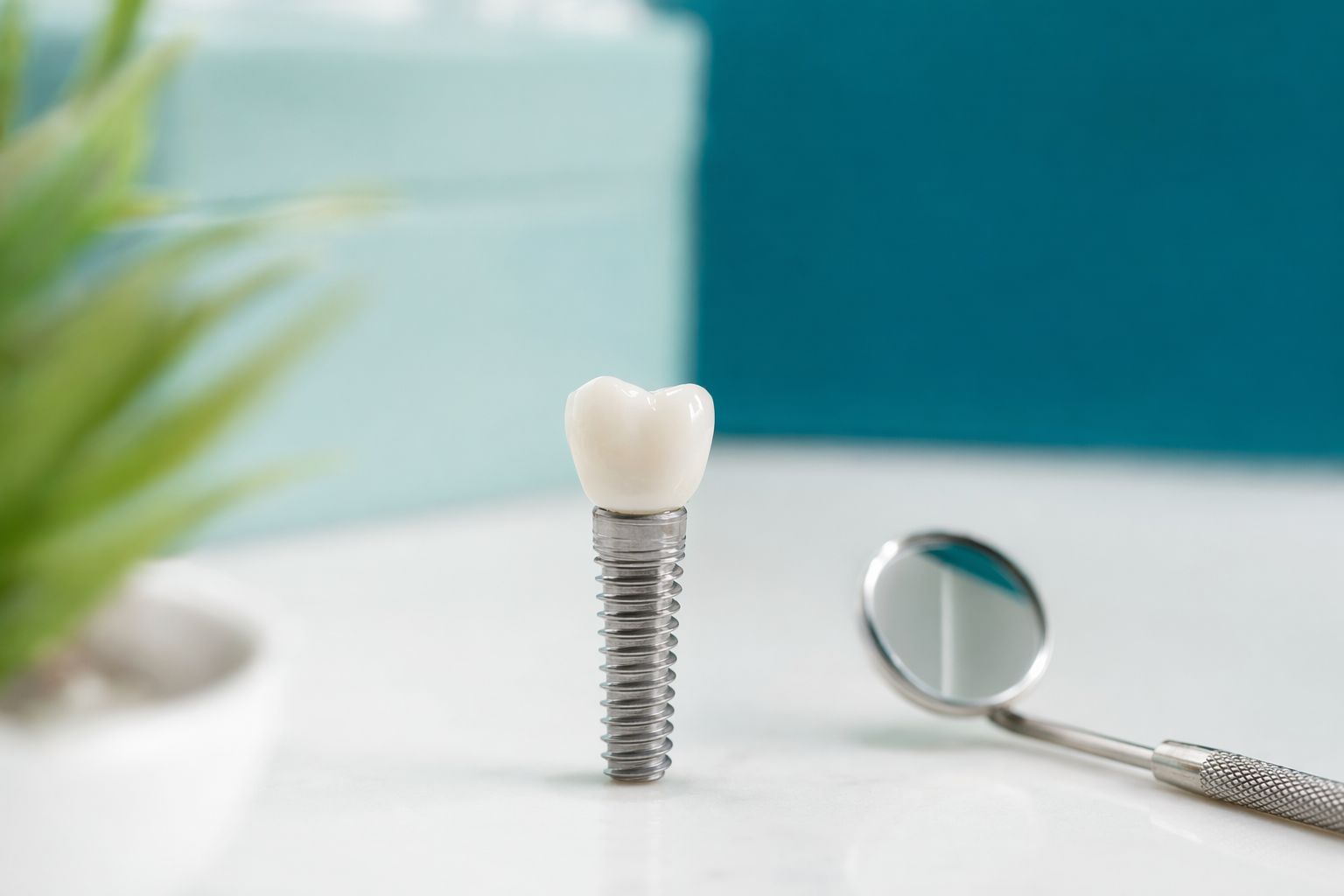
What is the difference?
Titanium implants are made from a strong metal that has been used in dentistry for many years. Zirconia implants are made from a ceramic material, which is tooth-colored and metal-free.
In simple terms, both are placed in the jaw as the replacement root for a missing tooth. Over time, the implant should bond with the bone. This process is called osseointegration, which means the implant fuses with the bone.
For many people, the choice comes down to appearance, material preference, and what the dentist thinks will fit the case best.
Titanium implants: common and well-studied
Titanium is the most common implant material in the US. It is used in many types of implant treatment, from a single tooth to a full arch.
People often choose titanium because it has a long track record and many providers are very familiar with it. It can also come in many designs and sizes, which may give a provider more options for different cases.
If you are comparing choices, ask how the implant is made, what restoration will sit on top, and whether the provider has experience with the type of treatment you need.
Zirconia implants: metal-free and tooth-colored
Zirconia implants are ceramic and do not contain metal. Some people prefer them for personal or appearance reasons. Because they are tooth-colored, they may be less noticeable in certain situations.
Zirconia is newer in general use than titanium, so fewer dentists have the same level of experience with it. It may not be offered for every case.
If you are interested in zirconia, it is reasonable to ask whether it is a good fit for your mouth, your bite, and the final tooth or teeth that will go on top.
How to compare cost and treatment planning
The implant material is only one part of the total price. The final cost may also include exams, imaging, extractions, a bone graft, the implant itself, the abutment (the connector piece), and the crown or bridge.
Typical US ranges vary a lot by city, state, and case:
- Single implant all-in: about $1,500-$6,000
- Implant bridge or several teeth: about $3,000-$15,000
- Full arch like All-on-4: about $20,000-$50,000 per jaw
These are estimates only. The real price depends on your treatment plan and whether extra steps are needed. If cost is a major concern, you can start with implant cost basics and then compare providers carefully.
How to choose a provider you can trust
A good provider should explain your options in plain language, including why they recommend titanium or zirconia for you. It is normal to ask for a second opinion, especially for a big and expensive treatment.
You can look for a provider who explains the full plan, offers clear pricing, and answers questions without pressure. If you want help finding someone, Clarity Implants is a free matching service, not a dental provider.
If English is not your preferred language, ask whether care is available in your language. Many offices can help, and that can make the process easier to understand.
Titanium is the more common implant material, while zirconia is metal-free and tooth-colored; the best choice depends on your case, your budget, and a provider’s advice.
Questions people ask
Is titanium better than zirconia?
Not always. Titanium is more common and has a long track record, while zirconia is metal-free and tooth-colored. The better choice depends on your case, your budget, and what the provider recommends.
Do zirconia implants cost more?
Sometimes they do, but pricing varies by office and location. The total cost depends on the whole treatment plan, not just the implant material.
Which implant looks more natural?
Both can look natural once the crown or bridge is placed. Zirconia is tooth-colored, but the final appearance also depends on the restoration and the skill of the provider.
Can I ask for a second opinion?
Yes. For implant treatment, a second opinion is normal and often helpful. It can give you a clearer view of your options, costs, and timeline.
Keep reading
How Much Do Dental Implants Cost?
How Much Do Dental Implants Cost? — clear, honest information for people comparing dental implan
Read moreGuideHow to Pay for Dental Implants (Financing)
How to Pay for Dental Implants (Financing) — clear, honest information for people comparing dent
Read moreGuideDoes Insurance Cover Dental Implants?
Does Insurance Cover Dental Implants? — clear, honest information for people comparing dental im
Read moreNot sure where to start? We'll help — free.
Tell us your city and what you're looking for. We'll match you with vetted implant providers near you. No medical records, no pressure, and always free for patients.