Guide
What is a sinus lift?
A sinus lift (sinus augmentation) is a dental procedure that adds bone under the sinus so an upper back dental implant can be supported. Clarity Implants is a free matching service to help you compare implant options in your language—without guessing.
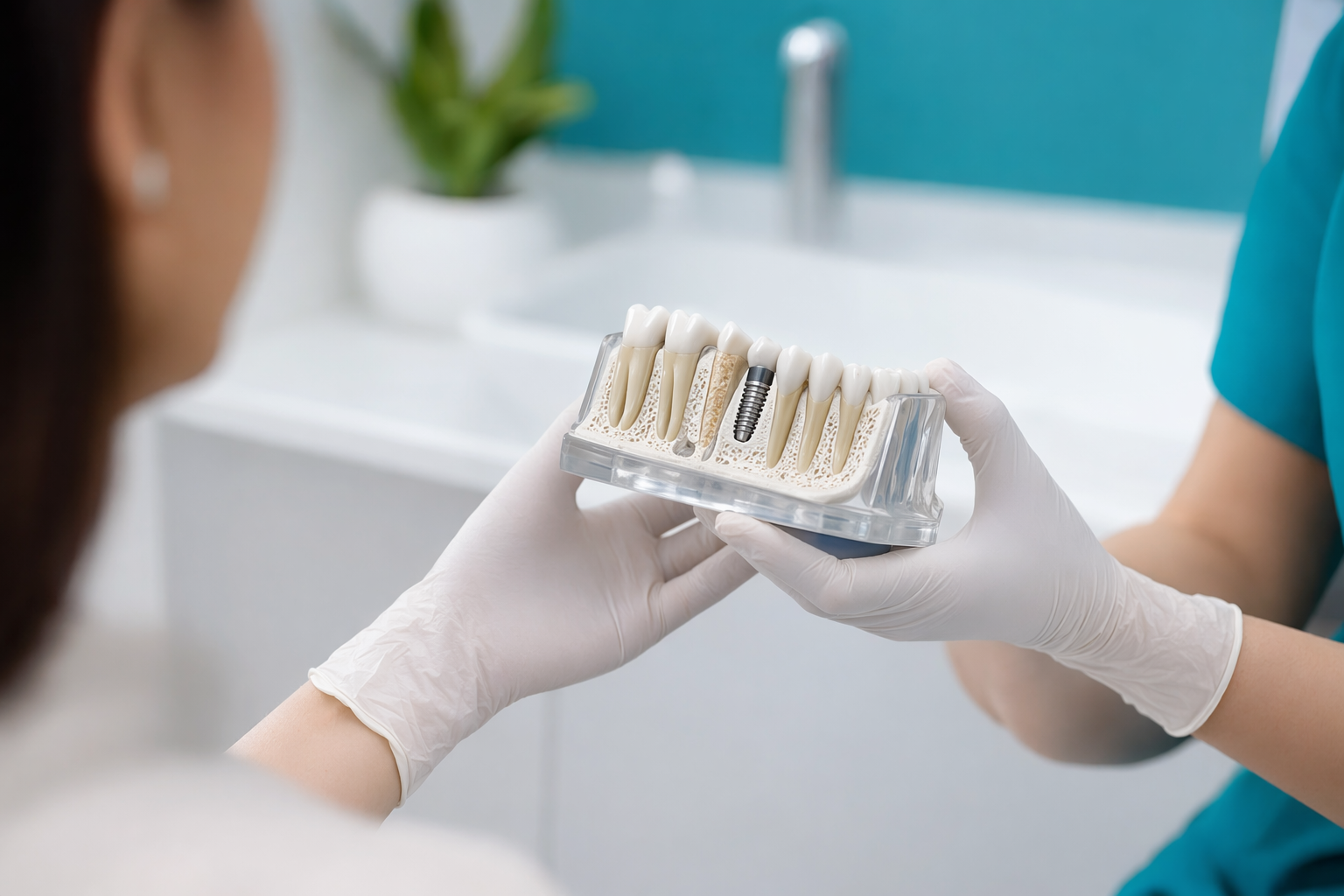
Sinus lift basics (what it is and why it exists)
A sinus lift is a way to create more bone height in the upper back jaw, near the sinus. It’s often considered when someone wants implants but there isn’t enough natural bone in that area.
In simple terms, dental implants need solid bone to hold them. When the bone is too thin or too short—sometimes because teeth were missing for a long time—an implant may not be stable without extra support. A sinus lift helps by adding or creating bone space under the sinus.
Clarity Implants is a free matching service, not a dental office. We can help you understand what a sinus lift means and connect you with implant providers who explain options clearly in your language. Still, the right plan depends on a dentist’s exam and imaging.
Where a sinus lift happens (upper back teeth)
Sinus lifts most often relate to implants in the upper back (near where the molars are). That area sits close to the maxillary sinus, which is an air-filled space above the upper jaw.
When people lose upper back teeth, the bone in that spot can shrink over time. Even if you have healthy gums, the bone volume can be reduced. That can make it harder to place an implant at the ideal length or angle.
A provider may talk about the anatomy first and then discuss whether a sinus lift is needed, or whether there are other options. If you’re comparing implant plans, it can help to ask what problem the plan is solving—bone height, bone width, or both.
How a sinus lift is done (plain-language overview)
There are a few approaches. In general, the provider creates access to the area and carefully lifts the sinus membrane (the thin tissue lining the sinus) upward. Then they add bone material so new bone can form in the space.
This added bone can come from graft materials. Over time, the body builds new bone. In implant dentistry, this bonding process is called osseointegration—when the implant fuses with the bone so it can support chewing.
Timing varies. Some people receive the implant after healing and bone formation; others may be offered a staged approach. Your provider can explain the timeline they recommend for your specific situation based on imaging.
Does it hurt? What you can expect for comfort
Most dental procedures are uncomfortable in some way, but many people manage the discomfort with a dentist’s recommended pain-control plan. After a sinus lift, common expectations can include swelling, mild bleeding or tenderness, and feeling pressure in the treated area for a short time.
Because sinus lifts involve a region near the sinus, providers may also discuss movement limits—such as avoiding activities that could increase sinus pressure—during the healing period.
We can’t predict your personal comfort. If you’re nervous, it’s reasonable to ask your provider what sensations people typically report, what medicines are usually used for pain, and what follow-up visits look like. For general guidance on selecting a provider, see choosing an implant provider.
Costs: typical US ranges and what changes the price
A sinus lift usually adds cost because it’s an extra procedure before or along with the implant. The total price depends on the case, the provider, your city/state, and whether you also need additional steps like bone grafting, imaging, or specialized surgical support.
Here are typical US ranges people often plan for (estimates, not quotes):
• Single implant (with common implant-related steps): roughly $1,500–$6,000 all-in, varying a lot by case and provider
• Multiple teeth / implant bridge (several teeth): roughly $3,000–$15,000 total
• Full arch (example concept like “All-on-4”): roughly $20,000–$50,000 per jaw
A sinus lift can be part of an implant plan for upper back teeth. When you compare quotes, ask whether the price includes the lift, the implant, the healing period, the abutment (the connector piece), and the final crown/teeth. Also ask whether your quote includes common imaging or follow-up visits.
If you want more general cost planning, visit implant costs.
How to compare providers you can trust (questions to ask)
A sinus lift is a surgery with a healing period, so clarity matters. A trustworthy provider should explain the goal of the lift and describe the plan in plain language. They should also be willing to answer questions about the steps, timeline, and what happens if you need changes.
Questions you can ask at consultations:
• What is the reason a sinus lift is recommended in my case (bone height, bone loss, other factors)?
• Which approach do you use, and is this a staged plan or combined with the implant?
• What is the typical healing timeline before the implant or before the final tooth?
• What follow-up visits are included, and what should I watch for during healing?
• What is included in the total estimated cost for the full plan (lift, implant, connectors, crown/teeth, imaging, and follow-up)?
Clarity Implants can help you find and compare implant providers who explain options clearly, including in your language. You can start here: get matched. And if you want to learn how to choose, see choosing an implant provider.
A sinus lift adds bone under your upper back sinus so dental implants may be supported, and its timing and cost vary a lot by case and provider.
Questions people ask
Do I always need a sinus lift for upper back dental implants?
Not always. Some people have enough bone to place an implant without a sinus lift, while others may need different solutions. A provider can explain the options after reviewing appropriate imaging and a clinical exam.
How long does a sinus lift take?
The appointment time for the lift can vary by approach and case complexity. The bigger timeline is healing—new bone needs time to form before the implant can be placed or before the final tooth is made, depending on the plan.
Is a sinus lift the same as a bone graft?
They are related. A sinus lift is a type of grafting strategy used near the sinus to add bone space and support implants. “Bone graft” is a broader term for adding material to help create or rebuild bone.
What does osseointegration mean?
Osseointegration is the process where the implant fuses with the surrounding bone. This is part of why healing time matters before placing the final tooth.
Will insurance or Medicaid cover a sinus lift?
Sometimes, but coverage varies by plan, state, and medical/dental coding rules. Many people find it helpful to ask the provider’s billing team what might be covered and what is usually not covered.
How much does a sinus lift add to the overall implant cost?
Prices vary widely by location and complexity. In typical US planning, a sinus lift is an additional step that can raise the overall total for an implant plan, but the exact amount depends on what’s included in the quote and whether other procedures are needed.
Keep reading
How Much Do Dental Implants Cost?
How Much Do Dental Implants Cost? — clear, honest information for people comparing dental implan
Read moreGuideHow to Pay for Dental Implants (Financing)
How to Pay for Dental Implants (Financing) — clear, honest information for people comparing dent
Read moreGuideDoes Insurance Cover Dental Implants?
Does Insurance Cover Dental Implants? — clear, honest information for people comparing dental im
Read moreNot sure where to start? We'll help — free.
Tell us your city and what you're looking for. We'll match you with vetted implant providers near you. No medical records, no pressure, and always free for patients.