Free tool
Compare Your Implant Options Worksheet
Use this free worksheet to compare dental implant options in the US. Clarity Implants is a free matching + information service (not a dental provider), and this tool is educational—not medical advice.
How to use this worksheet (no medical info needed)
This worksheet helps you plan questions and compare implant options you may hear about during a dental visit.
You do not need to share health details to use it. Bring the completed notes to your appointment so the conversation stays clear and organized.
After you fill it out, you can also use get-matched to connect with implant providers who offer clear explanations and care options. Prices and results vary by case, provider, and location, so treat the notes as a planning guide, not a guarantee.
Quick overview: common implant options
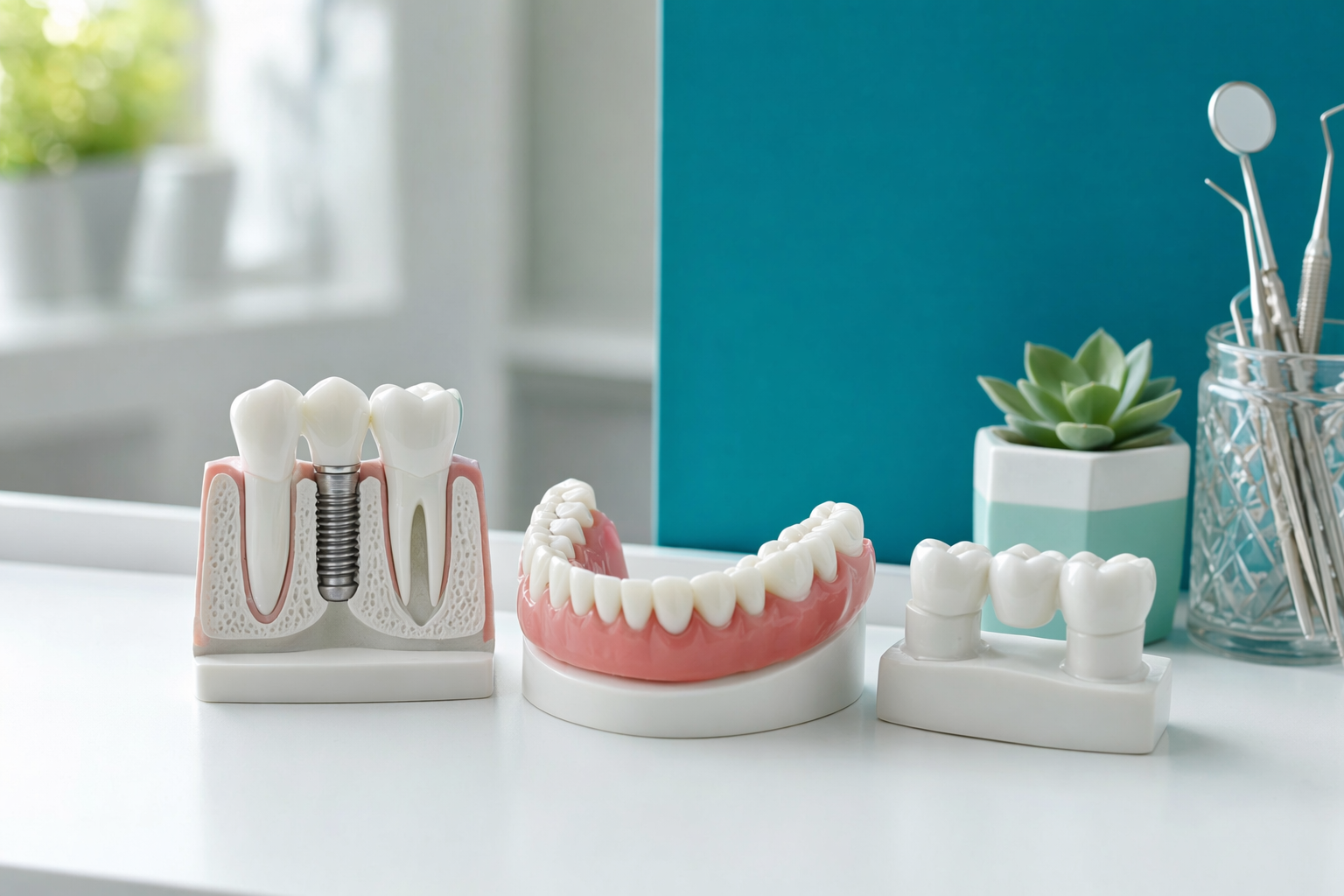
Dental implants are artificial tooth roots, usually titanium, placed in the jaw. Over time, the implant can fuse with the bone—called osseointegration. Then the dentist attaches a crown or another replacement.
Different cases may use different “setups,” depending on how many teeth are missing and the condition of the jaw bone.
Below are plain-language options you may see. Not every option fits every person—your provider will explain what’s realistic for your situation.
Worksheet: compare option A vs. option B vs. option C
Copy this section into your notes (or screenshot it) and fill in what you learn from providers. If you are unsure, leave blanks and ask questions.
Option names may vary by clinic, but the worksheet categories below usually match how providers describe treatment plans.
Typical cost ranges vary a lot by city/state, materials, and whether extra steps are needed (like a bone graft). These are planning ranges—not quotes or guarantees.
Fill-in table (use plain notes)
1) Your missing teeth:
- I am missing: [ 1 tooth / 2–3 teeth / several teeth / full arch ]
2) Option you are comparing:
- Option name (as the clinic explained it): [ ______ ]
3) Main parts (what this option includes):
- Implant(s) placed in jaw (the “root”): [ yes / no / number: ____ ]
- Abutment (connector piece): [ yes / no ]
- Crown / bridge / dentures: [ crown / bridge / denture ]
4) Bone and extra steps (if discussed):
- Bone graft or bone-building: [ discussed / not needed / unsure ]
- Sinus lift (sometimes for upper back teeth): [ discussed / not needed / unsure ]
5) Timeline (rough estimate):
- Planning + imaging visit: [ ____ weeks/days ]
- Implant placement procedure: [ ____ ]
- Healing period before teeth attach (osseointegration time): [ ____ ]
- Final teeth attached: [ ____ ]
6) Pain and recovery (what you expect, in words):
- During procedure: [ “numbed”/ “sedation discussed” / other: ____ ]
- After procedure: [ mild/moderate soreness expected / unsure ]
- Follow-up visits: [ ____ ]
7) Costs to plan (typical US ranges):
- Single implant all-in (often): $1,500–$6,000
- Implant bridge / several teeth all-in (often): $3,000–$15,000
- Full arch (like “All-on-4” style) per jaw all-in (often): $20,000–$50,000
Write what the clinic’s estimate *might* include (exam, imaging, temporary teeth, surgery visits, crown/teeth, and extra steps). If they won’t break it down, ask for a plain written breakdown.
8) Payment and insurance questions to ask:
- Do you take dental insurance? [ yes / no / unsure ]
- Do you work with Medicaid (if applicable)? [ yes / no / unsure ]
- Financing options (monthly plans): [ discussed / not discussed ]
- Ask: “What is my total expected cost range, and what is included?”
9) Language and communication:
- I prefer: [ English / Spanish / another language: ____ ]
- Ask: “Do you explain treatment steps and pricing in my preferred language?”
10) Questions I still have:
- [ ______ ]
- [ ______ ]
Questions to ask providers (to compare apples to apples)
When you compare options, clear questions matter as much as the implant type. Here are practical questions you can bring to a consult.
Ask for plain explanations of terms. For example, “osseointegration” means when the implant fuses with the bone over healing time.
Also ask for written details so you can compare without confusion. If possible, request a printed or emailed treatment plan summary.
Helpful links for planning costs and finding care
If you want to understand cost basics before appointments, see costs. It explains typical US pricing ranges, what can change the price, and how to avoid surprise items.
To start comparing providers near you, use get-matched. Clarity Implants is a free matching + information service, not a dental provider—so we help you connect and compare, while you choose the provider that fits your needs.
If you want more general education, browse guides.
Fill out this free worksheet to compare common dental implant options, questions, and typical US cost ranges—then bring your notes to a provider for a clear, case-specific plan.
Questions people ask
Do I need to share my medical history to use this worksheet?
No. This tool is for planning and education. You can complete it using general information and the questions you want to ask, without sharing medical history. If a clinic needs clinical details, they typically collect that separately.
What does “osseointegration” mean in plain language?
Osseointegration is the healing process where the implant fuses with the jaw bone. This helps the implant feel stable over time before the final tooth is attached.
How accurate are the cost ranges on the worksheet?
They are typical US planning ranges, and the real price can be higher or lower depending on your case, the provider, the city/state, and any extra steps like bone grafting. These are not quotes or guarantees.
Is Clarity Implants a dental provider?
No. Clarity Implants is a free matching + information service. We help you understand implant options and find providers, but we do not provide dental care or give medical advice.
Can I get help in my language?
Often, yes. Many patients prefer clearer explanations in another language, and some providers can accommodate. When you use [get-matched](/get-matched/), you can note your language preference so the matching process can better fit your needs.
If I’m not sure which option is best, what should I do?
It’s normal to take time and ask for clear explanations. Use this worksheet to compare notes across consults and consider getting a second opinion. Focus on understanding the steps, timeline, and total cost range—not only the implant type.
Not sure where to start? We'll help — free.
Tell us your city and what you're looking for. We'll match you with vetted implant providers near you. No medical records, no pressure, and always free for patients.