Implant type
Implant-Supported Dentures (Snap-In): cost, process, and who it suits
Implant-supported dentures (snap-in) can make dentures feel more stable for some people. Clarity Implants is a free matching + information service—use this guide to understand the process, typical costs, and how to find a trusted provider.
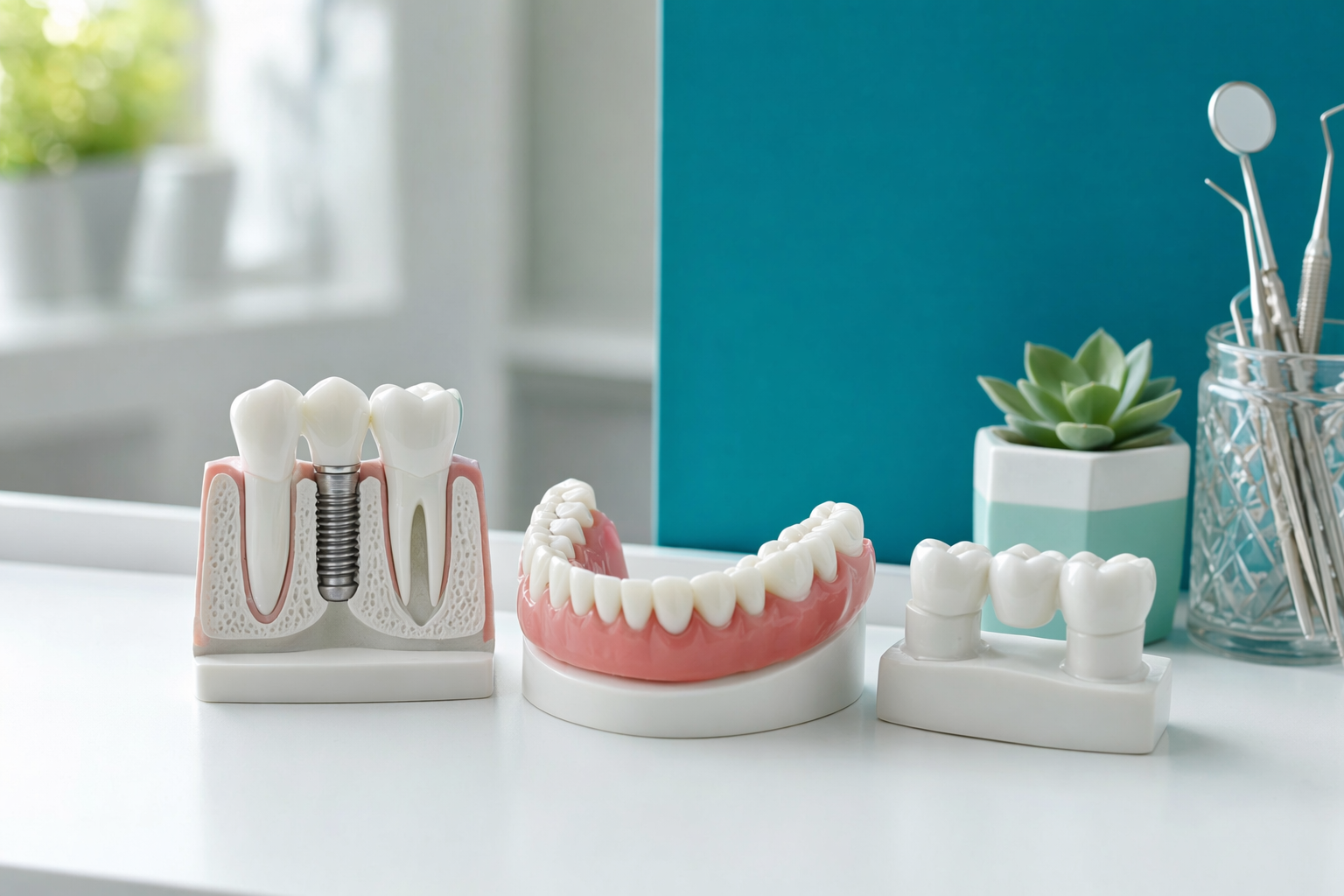
What implant-supported dentures (snap-in) are
Implant-supported dentures are dentures (removable teeth) that attach to dental implants in your jaw. “Snap-in” usually means the denture connects to the implants using clips/attachments, so it can be taken out for cleaning.
In simple terms, dental implants are small titanium posts or frames placed in the bone. Over time they can fuse with the bone—this is called osseointegration (when the implant becomes part of the jawbone). After healing, the denture snaps onto attachments mounted to the implants.
People choose snap-in dentures to improve day-to-day stability compared with traditional dentures. That said, each case is different, so the right option depends on your mouth, your bite, your bone level, and your comfort goals. Clarity Implants can help you find providers to discuss options—without being a dental clinic yourself.
Who snap-in dentures may be a good fit for
Implant-supported dentures may be an option if you want better stability than removable dentures and you can support implants with your jawbone. Many people consider this when they’re missing many teeth, especially if they’ve used dentures before and feel they move or cause sore spots.
It may also be considered for people who want to avoid a full fixed bridge in some situations. Snap-in dentures are removable, which can make cleaning and maintenance easier.
Because this is healthcare-adjacent information, we can’t tell you whether you personally are a fit. A provider can review your situation using their own evaluation and imaging. If you want, you can also explore our guides on types to compare common implant options, and the general steps in how the implant procedure works.
The typical process (what to expect, step by step)
While details vary by clinic and your anatomy, the process often looks like this:
1) Consultation and treatment planning. The provider discusses your goals (comfort, stability, timeline), reviews the plan, and explains what’s included. You can ask about materials, the number of implants recommended, the snap-in attachment type, and follow-up visits.
2) Implant placement surgery. The provider places the implants into the jaw. Healing time is important. Osseointegration usually takes several months, depending on the person and the plan.
3) Denture fabrication and attachment. After healing, the denture is made to fit and then attached to the implant components. You’ll get instructions on how to remove, clean, and re-seat the denture.
4) Ongoing maintenance. Implant-supported dentures still need regular dental visits. Over time, attachments may require adjustments or replacement, and your denture may need repairs or relining as gums and tissues change.
If you’d like to compare timelines and steps across options, review how the implant procedure works and then use get matched to talk with clinics that offer implant-supported dentures in your area.
How much snap-in implant dentures cost (typical ranges)
Cost is often the biggest question. In the US, implant-supported dentures (snap-in) typically cost more than standard dentures because they involve implants, surgery, and implant attachments.
Typical all-in ranges can vary a lot, depending on the number of implants used, whether bone grafting is needed, the type of denture, and the city/state:
- Partial or single-tooth implant costs (reference): roughly $1,500–$6,000 per implant, all-in (varies widely).
- Implant-supported dentures (snap-in): commonly in the range of about $3,000–$15,000+ for implant-supported denture cases, with many cases clustering higher when more implants are used or additional steps are needed.
- Full-arch implant options (reference): procedures like “All-on-4” are often roughly $20,000–$50,000+ per jaw, depending on the plan.
These are general planning ranges, not quotes or guarantees. Your final price depends on your specific situation and the provider’s treatment plan. If you want a deeper look at typical costs and what can change the total, visit implant costs.
What can change the price (common add-ons)
You may hear different items in a treatment plan. Some common reasons costs vary include:
- Number of implants: Snap-in dentures can use multiple implants. More implants can increase cost and also affect stability.
- Bone grafting or ridge augmentation: If the jawbone isn’t enough to support implants, a bone graft may be suggested. This can add time and cost.
- Attachment type and denture materials: Different attachment systems and denture setups can change the overall price.
- Surgical and imaging needs: Some clinics include specific scans or surgical guides as part of their process.
- Repairs, relines, or replacements: Dentures and attachments can require maintenance over time.
When you compare providers, it helps to ask what’s included in the “all-in” estimate and what could be separate, like extra visits, adjustments, or future maintenance.
How to choose a provider you can trust (and pay for it)
Taking time to choose matters. Look for a provider who explains options in plain language and answers questions about the plan, timeline, and maintenance. It’s normal to get a second opinion.
Here are practical questions you can bring to a consultation:
- “How many implants are you recommending for a snap-in denture in my case, and why?”
- “What is the expected healing timeline, and what happens during that time?”
- “What’s included in the estimate (implants, attachments, denture, surgical visits, follow-ups)?”
- “Could I need a bone graft? If so, what would it add?”
- “What maintenance is expected after treatment, and how are adjustments handled?”
- “Do you have staff who can explain things in my language?”
For payment, many clinics offer financing options, and some people use dental insurance coverage if eligible. Coverage and benefits vary by state and plan, so it’s important to confirm details with the provider’s office.
Clarity Implants is a FREE matching and information service. We can help you find providers that offer implant-supported dentures (snap-in) near you. Use get matched to start, and you can include your preferred language so the next steps are easier to understand. We are not a dental provider, and we do not offer medical advice.
Snap-in implant dentures are removable dentures attached to implants for more stability; costs vary a lot, the process takes months for healing, and Clarity Implants can help you find trusted local providers—free of charge.
Questions people ask
Will snap-in dentures feel like they “stay in” the whole day?
Snap-in dentures are designed to be more stable than traditional removable dentures because they attach to implants. Comfort and stability vary by case, attachment type, and how your mouth heals. A provider can explain what to expect for your situation during your consult.
Does getting implant-supported dentures hurt?
Most clinics plan for comfort using anesthesia and pain-control steps. The exact experience varies by the procedure, your health, and the plan. Ask the provider what comfort options they use and what the typical recovery feels like for their patients.
How long does the whole process take?
A common timeline includes consultation, implant placement, healing for osseointegration, and then denture fabrication and attachment. Healing often takes several months, but the total timeframe depends on whether a bone graft is needed and how your plan is set up.
What maintenance will I need after I get snap-in dentures?
Implant-supported dentures still require regular checkups. Attachments can need adjustments or replacement over time, and the denture may need repairs or relines as tissues change. Ask the provider what follow-up schedule they recommend.
How do I know if I can get implants, or if I need a bone graft first?
Only a dental provider can evaluate your jawbone and determine the best plan. You can ask what information they use (such as imaging) and how they explain the options if bone grafting is required.
Can I use insurance or Medicaid for implant-supported dentures?
Coverage varies widely by insurance plan and by state. Some plans may cover certain parts, while others may not. A provider’s billing team can help you understand what’s typically covered for your specific situation.
Other implant options
Single Tooth Dental Implant: cost, process, and who it suits
What single tooth dental implant is, who it's a good fit for, a general cost range, and how to f
Read moreImplant typeMultiple Tooth Implants (Implant Bridge): cost, process, and who it suits
What multiple tooth implants (implant bridge) is, who it's a good fit for, a general cost range,
Read moreImplant typeFull-Arch Implants (Full Mouth): cost, process, and who it suits
What full-arch implants (full mouth) is, who it's a good fit for, a general cost range, and how
Read moreNot sure where to start? We'll help — free.
Tell us your city and what you're looking for. We'll match you with vetted implant providers near you. No medical records, no pressure, and always free for patients.