Implant type
Single Tooth Dental Implant: cost, process, and who it suits
A single tooth implant can be a way to replace one missing tooth with something that looks and feels more like a natural tooth. Clarity Implants is a free matching service, not a dental provider, and we can help you understand the basics and find a provider near you.
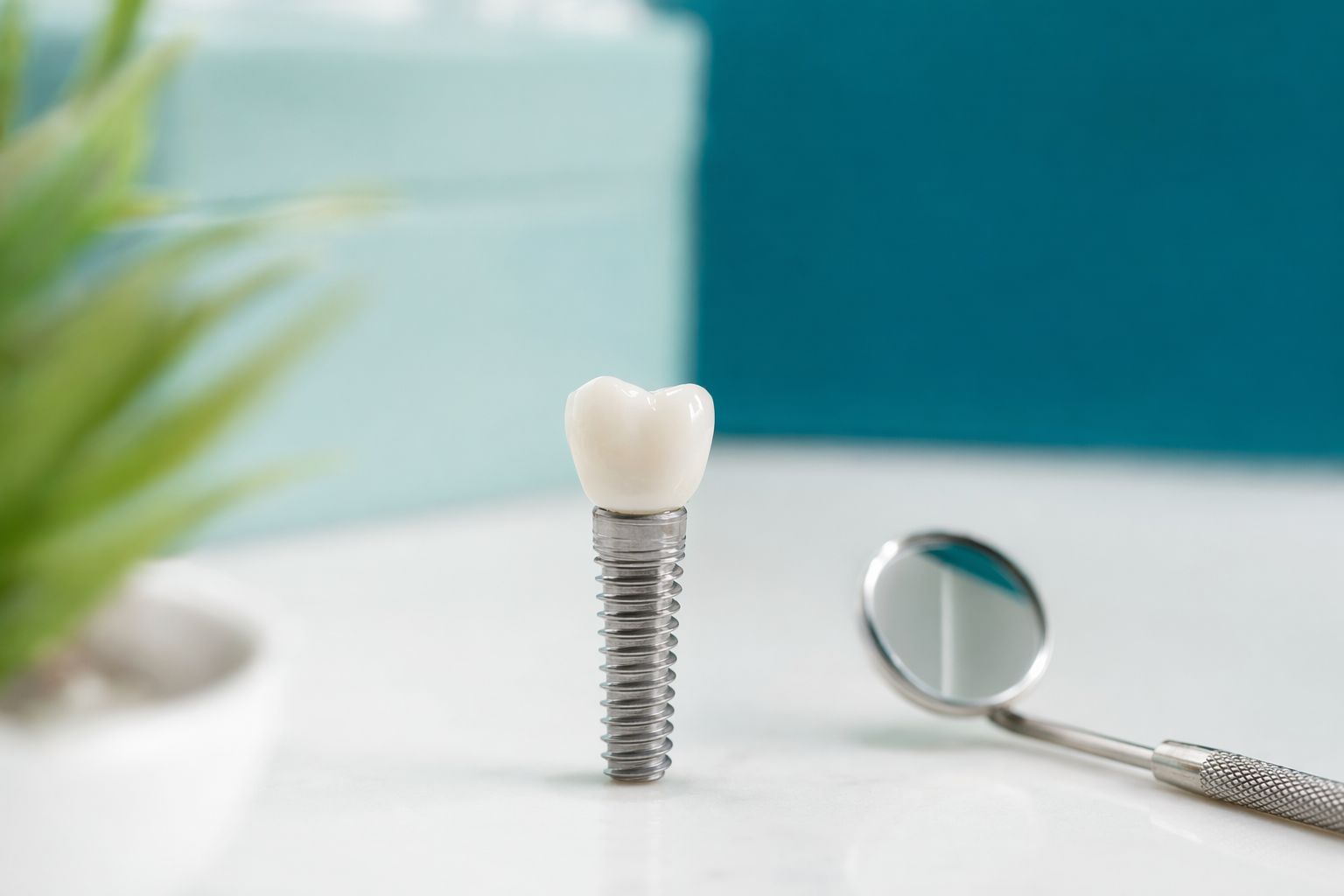
What a single tooth implant is
A single tooth dental implant is a replacement for one missing tooth. It usually has three parts: a small titanium or ceramic post placed in the jaw, an abutment (the connector piece), and a crown (the visible tooth-shaped cap).
The implant post acts like a new root. Over time, the bone can bond to it. This is called osseointegration, which means the implant fuses with the bone so it can stay stable.
People often compare it with a bridge or a removable partial denture. A single implant is usually chosen when someone wants a fixed replacement for just one tooth and the teeth next to it are healthy enough to leave alone.
Who it may suit
This option is often considered for adults missing one tooth, or for someone who knows a tooth may need to be removed and wants to learn about replacement choices first. It can be a good fit when the surrounding teeth do not need crowns or extra work.
It is not the right choice for every person. The amount of bone, gum health, bite, space, and overall treatment plan can affect what is possible. A dentist or specialist will usually look at X-rays and do an exam before discussing options.
It is normal to ask questions and get a second opinion. Dental care is a big decision, and the right choice depends on your mouth, your budget, and your comfort level.
Typical cost in the US
For one tooth, the total cost is often quoted as a range, not a single price. A common all-in estimate for a single implant is roughly $1,500 to $6,000, but the real price can be lower or higher depending on the case, the city or state, and the provider.
Extra steps can change the total. For example, some people need a bone graft (adding bone to support the implant), tooth removal, or a custom crown. Those add-ons can increase the final cost.
Insurance coverage varies a lot, and many plans limit implant benefits. Medicaid rules also vary by state. For a broader look at pricing, you can read more in our cost guide.
What the process usually looks like
The process usually starts with an exam and imaging, then planning, then placement of the implant post. After that, the area needs time to heal. This healing phase matters because the bone needs time to bond with the implant.
After healing, the abutment and crown are added. In some cases, a temporary tooth may be used while you heal. The full timeline can be a few months, but it varies a lot based on healing, bone quality, and whether extra treatment is needed.
If you want a simple overview of the steps, see how the implant procedure works.
How to find a provider you can trust
A good provider should explain options in plain language, give you a written estimate, and be clear about what is included and what costs extra. It is also fair to ask whether they have experience with single-tooth implants and whether care is available in your preferred language.
You do not need to decide on the spot. It is reasonable to compare providers, ask about payment plans, and check whether the office has experience helping people in your situation. If you want help getting started, get matched with a provider near you.
Clarity Implants is a free matching service, not a dental office. We do not provide medical advice or collect medical records. We help you connect with providers based on basic contact details, location, language, and what kind of care you are looking for.
A single tooth implant can replace one missing tooth, but the final cost and timeline vary a lot, so it helps to compare providers and ask clear questions before deciding.
Questions people ask
How much does a single tooth implant usually cost?
A common US estimate is about $1,500 to $6,000 for one tooth, but the real price depends on your case, the city, the provider, and whether extra work like a bone graft is needed.
Does getting a dental implant hurt?
People often worry about this, and that is normal. Comfort during treatment depends on the procedure and the provider's approach, and many people expect some soreness during healing, but the exact experience varies.
How long does a single tooth implant take?
The timeline is often measured in months, not days, because the bone needs time to bond with the implant. Some cases are quicker, and some need extra steps that make treatment longer.
Can I get help in my language?
Often, yes. Many dental offices can help patients in languages other than English, and we try to match people with providers that fit their language needs when possible.
Is Clarity Implants a dental clinic?
No. Clarity Implants is a free matching service, not a dental provider. We help people understand general implant information and connect with providers.
Other implant options
Multiple Tooth Implants (Implant Bridge): cost, process, and who it suits
What multiple tooth implants (implant bridge) is, who it's a good fit for, a general cost range,
Read moreImplant typeFull-Arch Implants (Full Mouth): cost, process, and who it suits
What full-arch implants (full mouth) is, who it's a good fit for, a general cost range, and how
Read moreImplant typeAll-on-4 Implants: cost, process, and who it suits
What all-on-4 implants is, who it's a good fit for, a general cost range, and how to find a prov
Read moreNot sure where to start? We'll help — free.
Tell us your city and what you're looking for. We'll match you with vetted implant providers near you. No medical records, no pressure, and always free for patients.