Implant type
Mini Dental Implants: cost, process, and who it suits
Mini dental implants are a smaller type of implant used in some tooth replacement plans. This page explains the basics, typical costs, and how to think about whether they may be worth asking about.
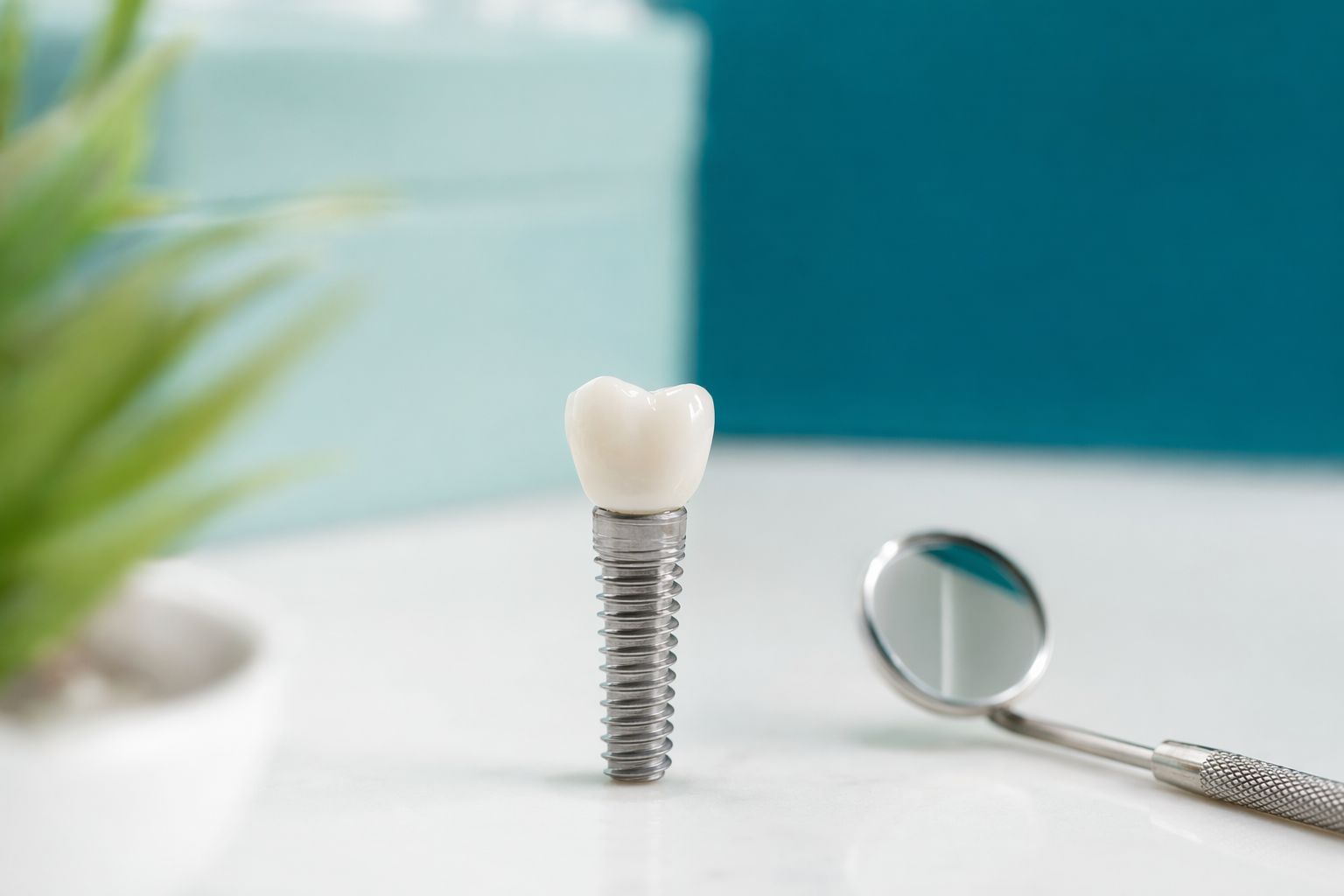
What mini dental implants are
Mini dental implants are thinner than standard dental implants. In simple terms, a dental implant is a small post placed in the jaw to help support a tooth replacement.
A mini implant uses a smaller post, which may be considered in cases where space is limited or when a person wants a less involved option. The exact plan depends on the mouth, the teeth being replaced, and the provider’s recommendation.
If you are comparing types, it can help to start with dental implant types and then compare how each option is used.
Who mini dental implants may suit
Mini dental implants may be discussed for people who need to replace one tooth or stabilize a denture, especially when a smaller implant seems easier to place. They are not the right fit for everyone.
Whether they make sense can depend on bone support, where the tooth is missing, how much space is available, and what kind of replacement is planned. Because every case is different, it is normal to ask for more than one opinion.
Clarity Implants is a free matching service, not a dental provider. We help people find providers who can explain options clearly, including in more than one language when available.
Typical cost range
Mini dental implant pricing varies a lot by city, provider, and what is included. A smaller procedure may cost less than a standard implant plan, but the final price still depends on the exam, imaging, the number of implants, and any extra steps.
For planning only, a single dental implant all-in is often in the rough range of $1,500 to $6,000 in the US. Mini implants may fall below that in some cases, but there is no standard national price, and some plans can still add up.
If you want to understand the bigger picture, see dental implant costs. Insurance, Medicaid, and financing rules also vary by state and by office.
What the process usually looks like
The process often starts with a consultation, then imaging, then a treatment plan. In plain words, imaging means pictures such as X-rays or scans that help the provider see bone and tooth space.
If a mini implant is placed, the provider may use a simpler procedure than a full-size implant in some cases. After placement, the area needs time to heal, and the replacement tooth or denture attachment may be adjusted.
For a step-by-step overview of the usual implant process, you can read how the implant procedure works.
Questions to ask before you choose a provider
It is reasonable to ask what is included in the price, how many visits are likely, whether extra work could raise the cost, and whether the office has experience with mini implants.
You can also ask whether they explain treatment in your preferred language, what payment options they offer, and whether a second opinion would be helpful. Taking time to compare is normal, especially for a large and expensive decision.
If you want help starting the search, get matched with a provider who fits your location and language needs.
- Ask for the total estimated cost, not just one part of it.
- Ask whether a mini implant is being recommended because of your bone, space, or budget.
- Ask if the office can explain the plan in plain language and your preferred language.
Mini dental implants are a smaller implant option that may cost less in some cases, but the right fit and price depend on your situation, your city, and the provider.
Questions people ask
Are mini dental implants cheaper than regular implants?
Sometimes, but not always. Mini implants can cost less in some cases, yet the final price still depends on the provider, location, and what is included in the treatment plan.
Do mini dental implants hurt?
People often worry about pain, and that is very normal. We do not provide medical advice, but in general the provider should explain what to expect during and after treatment and what comfort options are available.
How long do mini dental implants last?
That depends on the case, how they are used, and how they are cared for. A provider can explain whether a mini implant is a short-term, long-term, or special-use option for your situation.
Can I use insurance or Medicaid for mini dental implants?
Coverage varies by plan, state, and office. Some people get partial help, while others do not, so it is best to ask each provider what they accept and what your out-of-pocket cost may be.
Can Clarity Implants tell me if mini implants are right for me?
No. Clarity Implants is a free matching service, not a dental provider, so we do not diagnose or recommend treatment. We help you find providers who can explain options and pricing.
Other implant options
Single Tooth Dental Implant: cost, process, and who it suits
What single tooth dental implant is, who it's a good fit for, a general cost range, and how to f
Read moreImplant typeMultiple Tooth Implants (Implant Bridge): cost, process, and who it suits
What multiple tooth implants (implant bridge) is, who it's a good fit for, a general cost range,
Read moreImplant typeFull-Arch Implants (Full Mouth): cost, process, and who it suits
What full-arch implants (full mouth) is, who it's a good fit for, a general cost range, and how
Read moreNot sure where to start? We'll help — free.
Tell us your city and what you're looking for. We'll match you with vetted implant providers near you. No medical records, no pressure, and always free for patients.